
Required Mineral Role
Clarify whether talc is being considered as a mineral filler, extender or another defined component of the formulation.
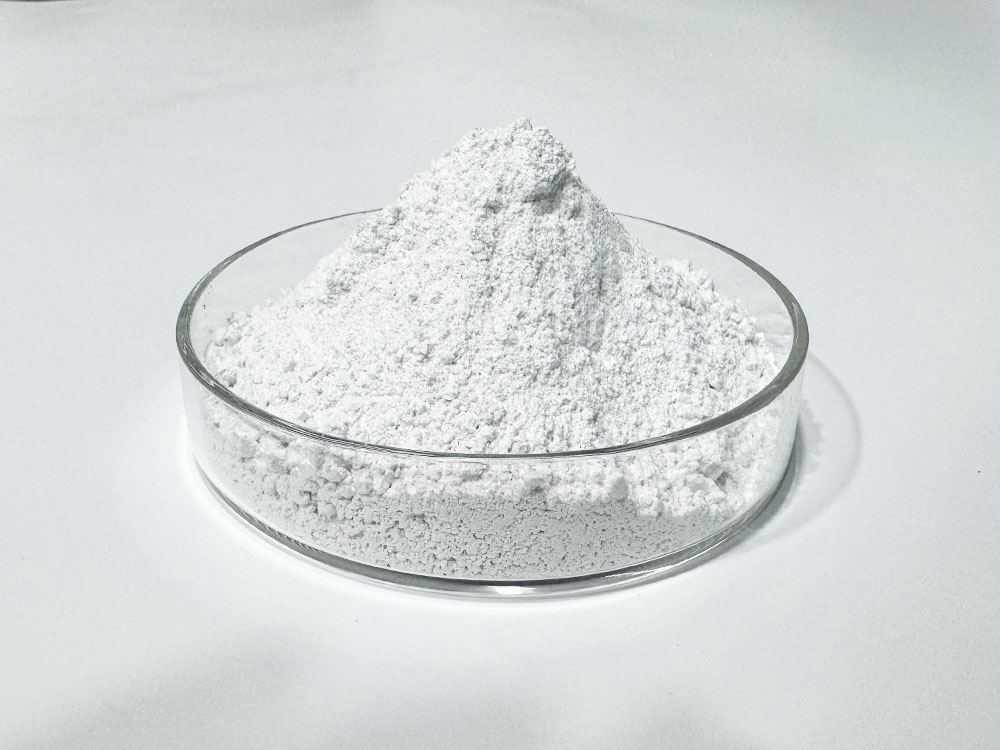
Fuming Materials offers talc powder directions for primers, paints, coatings and putties. The starting grade should be selected from the customer’s current specification, required particle characteristics, formulation and processing method.
One talc grade cannot be assumed to suit every coating formulation. The most reliable starting point is the customer’s current grade, specification, certificate of analysis or physical sample, together with the coating type and production method.
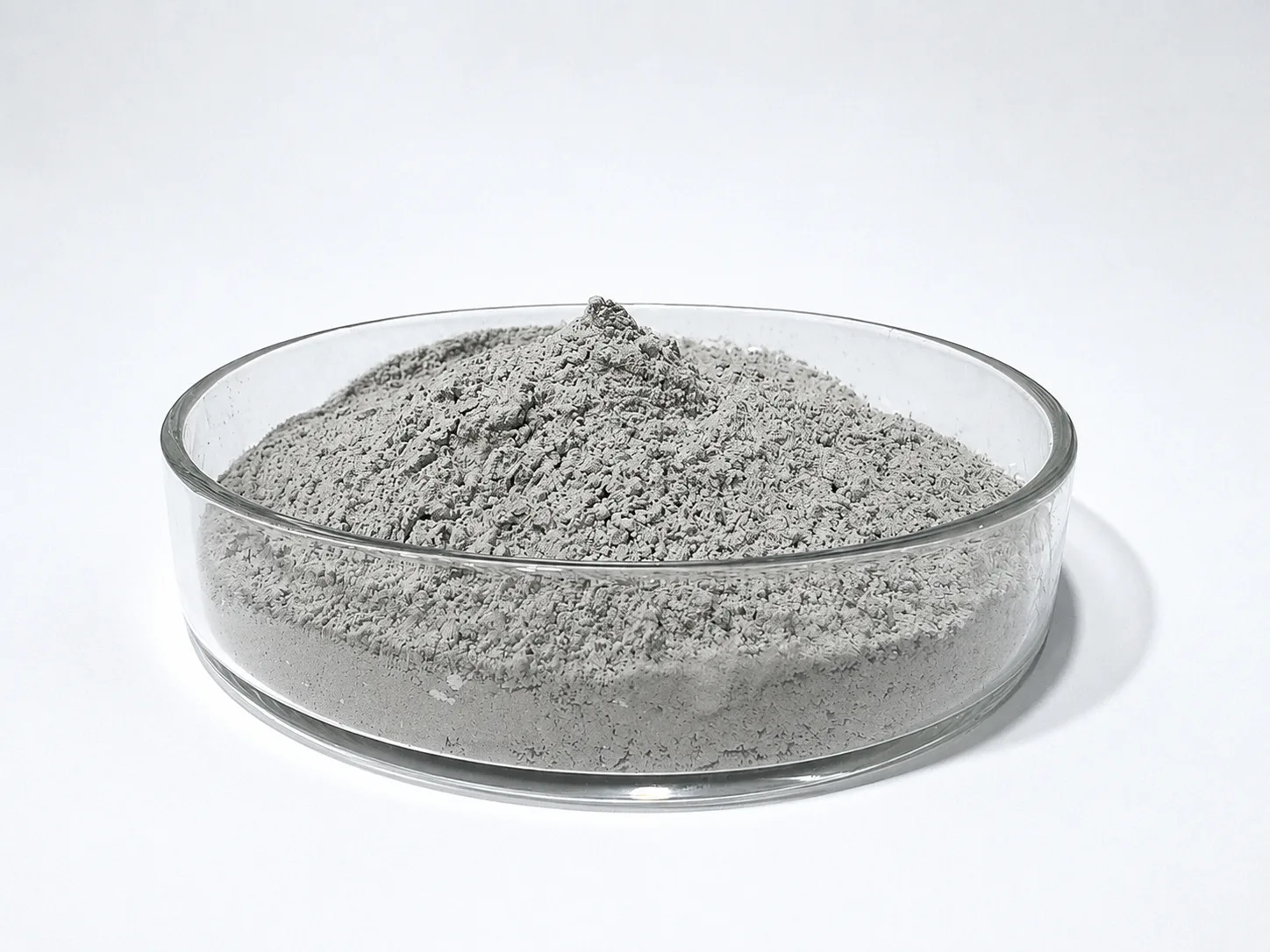
Clarify whether talc is being considered as a mineral filler, extender or another defined component of the formulation.
Particle-size requirements should be matched to the coating type, surface target and current reference material.
Whiteness, mineral composition, moisture and other specified values should be reviewed against the customer’s acceptance limits.
Dosage, binder compatibility, dispersion and finished-film behaviour must be validated by the customer under actual production conditions.
A current product name, specification, certificate of analysis or sample provides the clearest comparison basis.
State the required particle-size value or the current grade used in production.
Provide the required whiteness, composition, moisture, loss on ignition or other controlled parameters when relevant.
Identify the coating type, binder system, dosage, mixing method, application method and target surface.
Expected volume and packing requirements are confirmed after a technically plausible direction is identified.
Review the current grade, specification, coating type, process and acceptance limits.
Compare the available talc products against the stated technical requirements without assuming full equivalence.
The customer evaluates the selected starting grade in the actual formulation before commercial approval.
A broad starting direction may be discussed, but a current specification, certificate of analysis or sample makes the comparison considerably more reliable.
Provide the required particle size, whiteness, mineral composition, moisture, loss on ignition and any other acceptance limits used in the current formulation.
No. Grades can differ in particle characteristics and composition. Any proposed alternative must be tested in the customer’s own coating formulation and process.
The coating type, binder system, dosage, mixing method, application method, target surface and current production issue are all useful for the review.
Share the coating type, current grade or specification, required particle size, whiteness or composition limits, processing method, expected volume and packing requirement.