
Required Chemistry
Confirm whether the application requires magnesium hydroxide or magnesium oxide and the function expected from that chemistry.
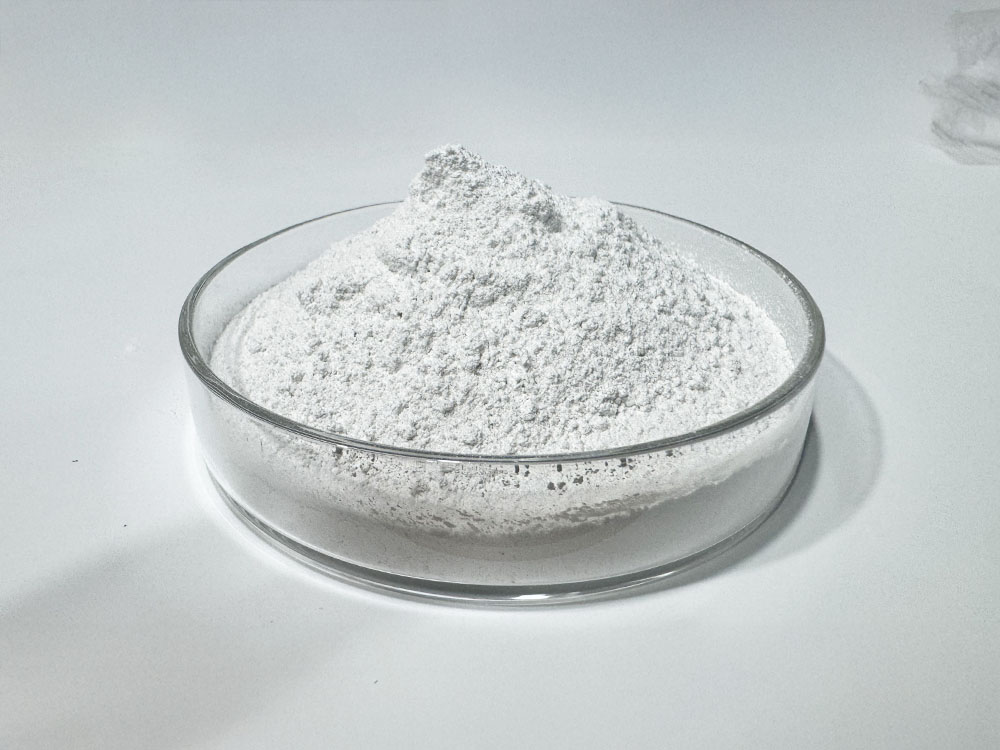
Magnesium hydroxide for selected halogen-free flame-retardant polymer systems and 95% MgO light-burned magnesia for applications where magnesium content and controlled reactivity are central.
Magnesium hydroxide and magnesium oxide are not interchangeable. The correct starting direction depends on chemistry, particle characteristics, reactivity or thermal behaviour, compatibility with the process and the performance expected from the finished product.
Confirm whether the application requires magnesium hydroxide or magnesium oxide and the function expected from that chemistry.
Share the existing product data, target composition, impurity limits, particle-size requirement and any reactivity or thermal criteria.
For magnesium hydroxide, define the polymer, compound design, target loading and whether surface treatment is required.
State the temperature, residence time, shear, mixing or extrusion conditions and any equipment constraints.
Clarify the required flame-retardant, mechanical, chemical, agricultural or other end-use objective.
Confirm expected volume, packing and handling after a technically plausible product direction has been identified.
Magnesium hydroxide and magnesium oxide are presented as different products with different selection criteria.
Cable compounds, polymer systems and reactive MgO applications are evaluated through their own process requirements.
Composition, particle characteristics, impurities and reactivity are treated as decision parameters rather than marketing labels.
The next step is defined around missing data, grade comparison, sampling and customer-side testing.
Magnesium hydroxide and magnesium oxide are different chemical materials with different functions. Magnesium hydroxide is commonly evaluated as a mineral flame-retardant and filler direction in selected polymer systems. Light-burned magnesium oxide is evaluated where magnesium content and controlled reactivity are required.
Magnesium hydroxide is the relevant starting direction for selected halogen-free flame-retardant cable compounds. The grade must be reviewed against the polymer, loading level, particle characteristics, dispersion requirement, processing temperature and target cable performance.
Provide the base polymer, compound application, target loading, particle-size requirement, current reference product, processing temperature, equipment conditions and performance targets. Surface-treatment requirements should also be stated when relevant.
Light-burned magnesia is a reactive magnesium oxide material produced by controlled calcination. Its practical suitability depends on MgO content, reactivity, impurities, particle characteristics and the requirements of the final application.
The current product direction is 95% MgO light-burned magnesia powder. The latest specification and suitability should be confirmed for each enquiry and intended application.
Provide the application, required chemistry, target specification, current reference product, processing conditions, expected volume and packing need. We will determine whether magnesium hydroxide or 95% MgO light-burned magnesia is the credible starting direction.